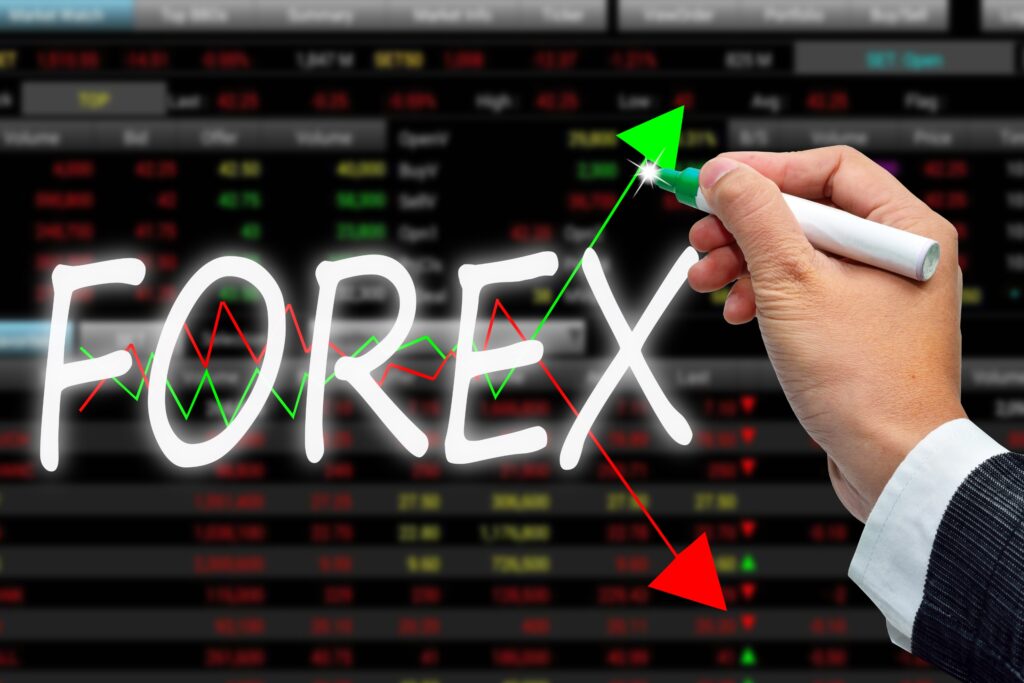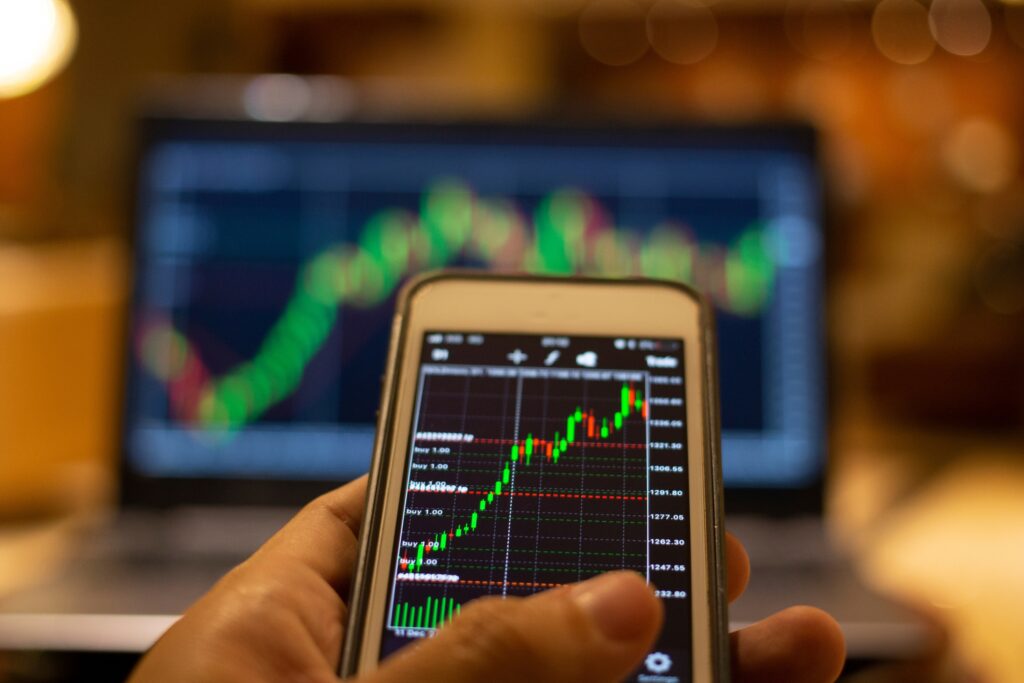

Currency pairs, pips, and spreads are among the first concepts beginners encounter when learning forex trading, yet they are often introduced without sufficient explanation. As a result, many newcomers feel confused by price quotations and unsure how values are calculated. Understanding these elements is essential because they form the language through which the forex market communicates price movement. Currency pairs show how one currency relates to another, pips represent the measurement of price change, and spreads reflect transaction cost. When these concepts are understood clearly, beginners gain insight into how prices move and how trades are structured. Education that explains these ideas simply helps learners move beyond memorization toward comprehension. Instead of seeing numbers as abstract figures, beginners begin to recognize meaningful relationships within the market. This understanding reduces uncertainty and supports more confident learning. By focusing on clarity rather than complexity, beginners build a strong foundation that supports further education and responsible engagement with the market.
The Structure of Currency Pairs
In forex trading, currencies are quoted in pairs because every transaction involves exchanging one currency for another. Each pair consists of a base currency and a quote currency. The price reflects how much of the quote currency is required to purchase one unit of the base currency.
Understanding this structure helps beginners interpret price movement logically. When a currency pair rises, it indicates that the base currency is strengthening relative to the quote currency. When it falls, the opposite occurs. Recognizing this relationship allows learners to see price changes as comparative movements rather than isolated fluctuations.
Major, Minor, and Cross Pairs
Currency pairs are categorized based on trading volume and composition. Major pairs include widely traded currencies, often involving the United States dollar. Minor and cross pairs involve combinations of other major currencies without the dollar.
For beginners, learning these distinctions provides context regarding liquidity and volatility. Pairs with higher trading volume often exhibit smoother price movement, while less-traded pairs may experience wider fluctuations. Understanding these categories supports informed observation and realistic expectations.
What Pips Represent in Trading
A pip is the standard unit used to measure price change in most currency pairs. It represents the smallest incremental movement in price, allowing traders to quantify gains or losses. Beginners often struggle with this concept because pips are abstract without practical context.
Education explains pips as measurement tools rather than outcomes. By understanding how pips reflect movement, beginners gain clarity on how price changes are calculated. This understanding supports accurate interpretation of charts and reinforces currency market basics essential for learning progression.
How Pip Value Is Determined
The value of a pip depends on several factors, including the currency pair traded and position size. While beginners do not need to master complex calculations immediately, understanding the concept helps clarify how movement translates into value.
Learning pip value supports awareness of risk and scale. It helps beginners recognize that different trades carry different levels of exposure. This awareness encourages thoughtful learning and supports responsible engagement with market mechanics.
Understanding the Role of Spreads
The spread represents the difference between the buying and selling price of a currency pair. It functions as a transaction cost and varies based on market conditions and liquidity. Beginners often overlook spreads, focusing only on price direction.
Education emphasizes spreads as part of market structure. Understanding how spreads affect outcomes helps beginners interpret price movement more accurately. This knowledge supports transparency and reinforces the importance of considering costs within the learning process.
Why These Concepts Matter Together
Currency pairs, pips, and spreads work together to form the foundation of forex pricing. Understanding each component individually is important, but recognizing how they interact provides deeper insight.
When beginners understand these relationships, they develop clarity around how trades are structured and how value changes occur. This integrated understanding supports confidence and reduces reliance on assumption or guesswork.
Building Clarity Through Education
Forex learning becomes more manageable when foundational concepts are explained clearly and logically. Education that prioritizes simplicity helps beginners retain information and apply it meaningfully.
Platforms that support forex beginner education encourage learners to build understanding gradually. This approach fosters patience, reduces confusion, and supports sustainable learning progression.
Conclusion
Understanding currency pairs, pips, and spreads is a critical step in beginner forex education. These concepts form the language through which the market communicates price movement and value. By learning how currency pairs reflect relative strength, how pips measure movement, and how spreads represent cost, beginners gain clarity and confidence. This foundational knowledge reduces uncertainty and supports informed learning decisions. Education that emphasizes simplicity and structure helps learners move beyond surface-level observation toward meaningful understanding. When beginners focus on currency market basics within a supportive educational framework, they are better prepared to continue learning responsibly. Platforms that prioritize forex beginner education play an important role in guiding learners through these essential concepts, supporting clarity, awareness, and steady progress.