
 0
0
 0
0
Forex Scalping for Beginners: Is It Worth It?
Imagine sitting in front of your screen, eyes darting across charts, heart racing slightly with every tick of the price. You enter a trade, hold it for just a few seconds, and close it with a tiny profit. Rinse and repeat. This is the world of Forex scalping, a trading style that’s both exhilarating and, frankly, a bit intimidating for beginners. But is it truly worth diving into when you’re just starting out? Spoiler alert: it depends. Let me walk you through my own journey, what the data shows, and how you can make an informed decision.
What Exactly Is Forex Scalping?
At its core, scalping is a very fast-paced strategy where traders attempt to profit from small price changes, often holding positions for just a few seconds to minutes. Unlike traditional forex trading, which might involve holding positions for hours or days, scalpers look for speed and volume.
When I first dipped my toes into forex, scalping felt like the wild west. The adrenaline rush was addictive, but so were the pitfalls. Scalpers typically make dozens to hundreds of trades per day, aiming for gains of just a few pips each time.
- Timeframe: Usually 1-minute to 5-minute charts
- Trade duration: Seconds to a few minutes
- Goal: Small, consistent profits
Why Do Some Traders Swear by Scalping?
For many, scalping is attractive because it can generate consistent returns without depending on large market moves. You’re not waiting for an entire trend to play out, which can sometimes take days or weeks. Instead, you seize small bits repeatedly, stacking micro-profits.
Yet, scalping is intense. The mental stamina required is immense. When I first tried scalping, I found myself drained after just an hour of trading. This level of focus isn’t sustainable for everyone.
The Pros and Cons of Forex Scalping
Before you jump into scalping, here’s a realistic rundown of what you’re signing up for:
| Pros | Cons |
|---|---|
| Potential for quick profits | High stress and mental fatigue |
| Lower exposure to overnight risk | Requires a fast and reliable internet connection |
| Uses small stops and targets, limiting large losses | Transaction costs (spread and commissions) can add up quickly |
| Lots of trading opportunities daily | Not suitable for brokers with slow execution |
| Develops sharp market reading skills | Can lead to overtrading and burnout |
Is Forex Scalping Suitable for Beginners?
If you’re brand new to forex, scalping might feel like learning to run before you’ve mastered walking. That said, it’s not impossible to get started if you approach it correctly.
What helped me was starting with demo accounts specifically designed for scalping. I tested strategies without risking money, gaining comfort with the rapid pace. Many brokers offer these demo options—you might want to try brokers optimized for scalping to begin.
Before risking real funds, it’s crucial to:
- Understand technical analysis basics
- Learn about market microstructure
- Develop a strict trading plan
- Master risk management (scalping requires tight stop losses)
Without these, scalping can quickly become a money pit. I speak from experience—I’ve seen countless beginners jump headfirst, only to be wiped out by spreads and slippage.
The Role of Technology in Scalping
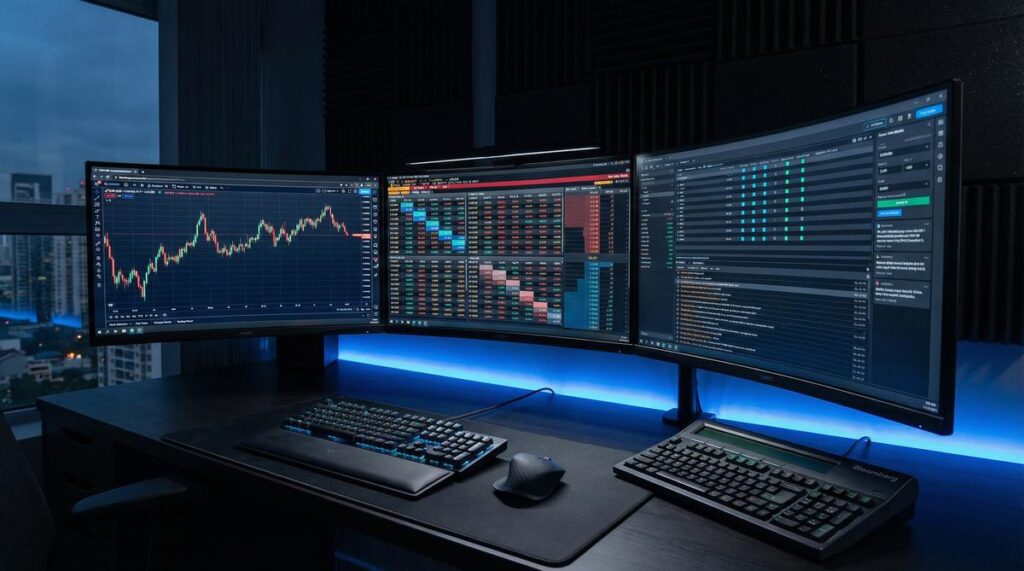
One thing that can’t be overstated is the importance of the right trading platform and tools. Scalping demands lightning-fast execution speeds and real-time data. A lagging platform will cost you dearly.
When I switched to MetaTrader 5 (MT5) with a broker known for low spreads and quick execution, my scalping results improved dramatically. Here’s a quick comparison of popular platforms for scalping:
| Platform | Execution Speed | Spread Cost | Customization | Ease of Use |
|---|---|---|---|---|
| MetaTrader 4 | Fast | Low | High (expert advisors) | Moderate |
| MetaTrader 5 | Very Fast | Very Low | Very High | Moderate |
| cTrader | Very Fast | Low | High | Easy |
| NinjaTrader | Fast | Medium | Very High | Challenging |
If you want to give scalping a shot, I recommend starting with MT5 brokers that specialize in low spread forex pairs. I’ve compiled a list of top picks that suit scalpers right here.
Scalping Strategies That Actually Work
No scalping article would be complete without talking about strategies. I’ve tested many, and while no system guarantees profits, some approaches tend to perform better for beginners:
- Moving Average Crossovers: Using short-term and long-term averages to identify quick trend changes
- Support and Resistance Levels: Scalp near key levels where price tends to bounce
- Order Flow Analysis: Watching volume and momentum to catch breakout scalps
- News Scalping: Trading the immediate price reaction to economic releases (advanced, risky)
Personally, I found that combining moving averages with volume indicators on a 1-minute chart gave me a reliable edge. I never went heavy on news scalping — the unpredictability was nerve-wracking.
Sample Scalping Setup
- Chart: 1-minute EUR/USD (one of the most liquid pairs)
- Indicators: 5-period EMA, 20-period EMA, volume
- Entry: When 5 EMA crosses above 20 EMA with increasing volume
- Exit: After 3-5 pips gain or if price closes below 5 EMA
- Stop-loss: Tight, usually 1-2 pips below entry
The tight stop-loss is critical. Scalping is not about big moves but quick, small wins that add up.
How Much Can You Actually Make Scalping?
This is the million-dollar question. Truth be told, scalping can be profitable but requires discipline, practice, and often, significant capital to make meaningful returns.
According to a recent study by the Commodity Futures Trading Commission (CFTC), only about 10-15% of retail forex traders consistently make profits over a year, regardless of strategy [1]. Scalping doesn’t beat these odds dramatically but might improve risk control if done well.
In my experience, scalping can yield anywhere from 0.5% to 2% return per day on your trading capital — but only if you’re disciplined and have low trading costs. Otherwise, spreads and commissions eat your profits fast.
| Capital | Avg. Daily Return (Scalping) | Monthly Return (Approx.) | Key Factors |
|---|---|---|---|
| $1,000 | 1% | ~20% | Low spreads, high discipline |
| $5,000 | 1.5% | ~30% | Good broker, fast execution |
| $10,000 | 2% | ~40% | Experience, risk management |
Keep in mind, these numbers are theoretical. Real trading involves drawdowns and losing streaks. Scalping magnifies transaction costs, so choose brokers carefully. If you want to jumpstart your scalping journey with a recommended broker, check out our top scalping brokers list.
Common Pitfalls and How to Avoid Them
When I started scalping, I made my fair share of mistakes. From chasing losses to ignoring spreads, these errors ruined many sessions. Here are some common traps:
- Ignoring transaction costs: Spreads and commissions matter. Scalpers lose if costs outweigh profit targets.
- Overtrading: It’s tempting to make dozens of trades, but quality beats quantity.
- Poor risk management: Tight stops are essential; a single big loss can erase many small wins.
- Not having a plan: Scalping requires strict rules and discipline.
- Trading during illiquid times: Avoid scalping during weekends or major holidays when spreads widen.
Because scalping requires razor-sharp focus, I recommend using forex education courses that specialize in scalping tactics. Investing in your learning can save you from costly mistakes down the road.
Final Thoughts on Forex Scalping for Beginners
Is scalping worth it for beginners? Absolutely, if you recognize it’s not a shortcut to riches. It’s a demanding style that rewards patience, preparation, and mental toughness. I encourage new traders to experiment with scalping on demo accounts, master the basics of price action, and only progress to live scalping once they’re confident.
And remember: no matter which strategy you choose, the right broker can make or break your success. If scalping intrigues you, explore our recommended brokers that cater to scalpers with low spreads, quick execution, and robust platforms.
Stay curious, stay disciplined, and most importantly, always manage your risk. Forex scalping is a journey – and it might just be the exciting one you’re looking for.
Frequently Asked Questions (FAQ)
What is forex scalping, and how is it different from other trading styles?
Forex scalping is a trading strategy focused on making small profits from very short-term trades, usually lasting seconds to minutes. It contrasts with swing or position trading, where


