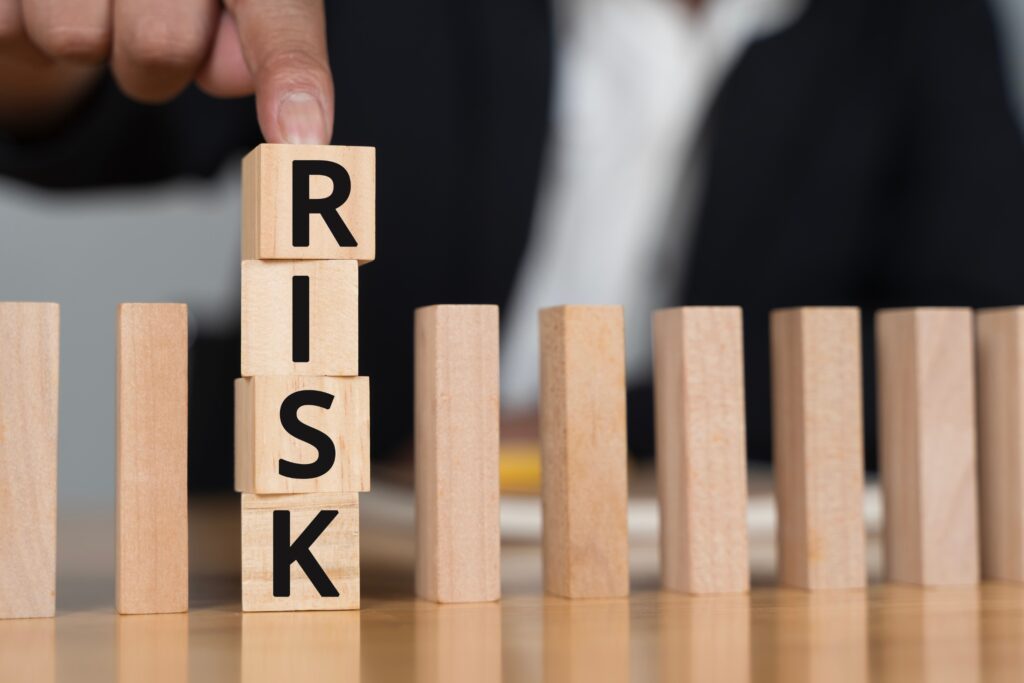

Building Patience and Discipline as a New Market Learner

Building Patience and Discipline as a New Market Learner
0 0
Read Time:3 Minute, 39 Second

Patience and discipline are often discussed in trading education, yet many beginners underestimate how central these qualities are to effective learning. Financial markets operate within conditions of uncertainty, fluctuation, and delayed feedback, which can challenge emotional stability and decision-making. For new learners, impatience may arise from the desire to progress quickly, while lack of discipline can emerge when emotions override understanding. These challenges do not reflect personal shortcomings, but rather a natural response to unfamiliar environments. Education that highlights patience and discipline helps beginners develop a balanced approach to learning, allowing understanding to form gradually. When learners cultivate these qualities, they reduce emotional pressure and increase clarity. Patience supports observation and reflection, while discipline reinforces consistency and structure. Together, they create a stable foundation for learning and growth. By recognizing the importance of patience and discipline early, beginners position themselves to engage with markets thoughtfully and responsibly over time.

The Nature of Learning in Financial Markets

Learning within financial markets differs from many other educational experiences because outcomes are uncertain and influenced by external factors. Beginners may expect immediate feedback or linear progress, yet markets often behave unpredictably. This mismatch can test patience and create frustration.

Education emphasizes that learning is a gradual process shaped by observation and reflection. Understanding that progress unfolds over time helps learners manage expectations. Patience allows beginners to absorb information calmly and avoid unnecessary emotional reactions, supporting a healthier learning environment.

Discipline as a Learning Structure

Discipline provides structure within an uncertain environment. For beginners, discipline involves following a learning process consistently, regardless of short-term outcomes. Without discipline, learning may become reactive and fragmented.

Education encourages disciplined habits such as consistent study, reflection, and adherence to learning plans. These habits help learners remain focused and reduce impulsive behavior. Discipline supports clarity and reinforces responsible engagement with market information.

Emotional Responses and Self-Awareness

Markets often evoke emotional responses due to perceived opportunity or uncertainty. Beginners may experience excitement, frustration, or hesitation, all of which can influence behavior. Without awareness, emotions can disrupt learning continuity.

Education emphasizes self-awareness as a foundation for patience and discipline. By recognizing emotional responses, learners gain the ability to pause and reflect before acting. This awareness supports thoughtful decision-making and reduces impulsive reactions.

Managing Expectations Thoughtfully

Unrealistic expectations can undermine patience and discipline. Beginners may expect rapid understanding or immediate progress, leading to disappointment when outcomes differ. Managing expectations is essential for maintaining balance.

Education encourages aligning expectations with the reality of learning. By understanding that mastery develops gradually, learners reduce pressure and frustration. Thoughtful expectations support resilience and reinforce long-term commitment to learning.

Consistency and Habit Formation

Consistency plays a significant role in developing patience and discipline. Regular engagement with learning materials builds familiarity and reinforces understanding. Inconsistent study often leads to confusion and impatience.

Education supports consistent learning habits that prioritize comprehension over speed. Through repetition and reflection, learners strengthen confidence and discipline. Consistency transforms learning into a steady process rather than a reactive experience.

Learning From Experience Without Pressure

Experience provides valuable insight, yet beginners may place excessive pressure on each outcome. Viewing experiences as learning opportunities rather than judgments supports patience.

Education reframes experience as information rather than evaluation. This perspective encourages curiosity and reflection. When learners view outcomes objectively, discipline and patience naturally strengthen.

The Role of Environment in Learning Development

Learning environments influence behavior and mindset. Platforms that emphasize clarity and education over speculation support patience and discipline. A supportive environment reduces pressure and encourages thoughtful engagement.

A forex learning journey grounded in education provides structure and guidance. This environment supports disciplined learning habits and reinforces emotional balance, allowing beginners to progress steadily.

Conclusion

Patience and discipline are foundational qualities that shape how new learners engage with financial markets. These qualities support emotional balance, consistency, and thoughtful decision-making within an environment defined by uncertainty. By understanding the gradual nature of learning, managing expectations, and cultivating self-awareness, beginners develop resilience and confidence. Discipline provides structure, while patience allows understanding to mature over time. Education that emphasizes a disciplined trading mindset helps learners approach markets with clarity rather than urgency. Platforms that support a forex learning journey encourage steady progress and responsible engagement. When patience and discipline are cultivated intentionally, beginners are better prepared to navigate learning challenges, maintain focus, and build sustainable understanding within dynamic market conditions.

Happy
Happy
0 %
Sad
Sad
0 %
Excited
Excited
0 %
Sleepy
Sleepy
0 %
Angry
Angry
0 %
Surprise
Surprise
0 %
Scroll to Top