
 0
0
 0
0
This guide covers everything you need to know about what is forex trading.
Forex trading refers to the process of exchanging one currency for another within a global financial market that operates continuously across different regions. For beginners, this market often appears complex due to unfamiliar terminology, rapid price movements, and the influence of global economic factors. Without proper context, many newcomers struggle to understand how currency prices move or why the market behaves the way it does.
Learning forex trading is not simply about observing charts or reacting to market fluctuations; it begins with understanding the structure, purpose, and mechanics of the market itself. A clear educational foundation helps beginners recognize how currencies interact, what drives price changes, and how trading decisions are formed. By approaching forex trading through education rather than speculation, beginners can reduce confusion and develop a more informed perspective. Understanding how the forex market works creates a sense of order within what may initially feel unpredictable. This clarity supports thoughtful learning, encourages patience, and helps beginners build confidence as they progress through the early stages of market understanding.
Understanding the Global Currency Market: Understanding What Is Forex Trading
When exploring what is forex trading, it is important to approach the subject with patience and a willingness to learn. Many successful traders emphasize that understanding what is forex trading thoroughly before making decisions is the foundation of long-term growth in the forex market.
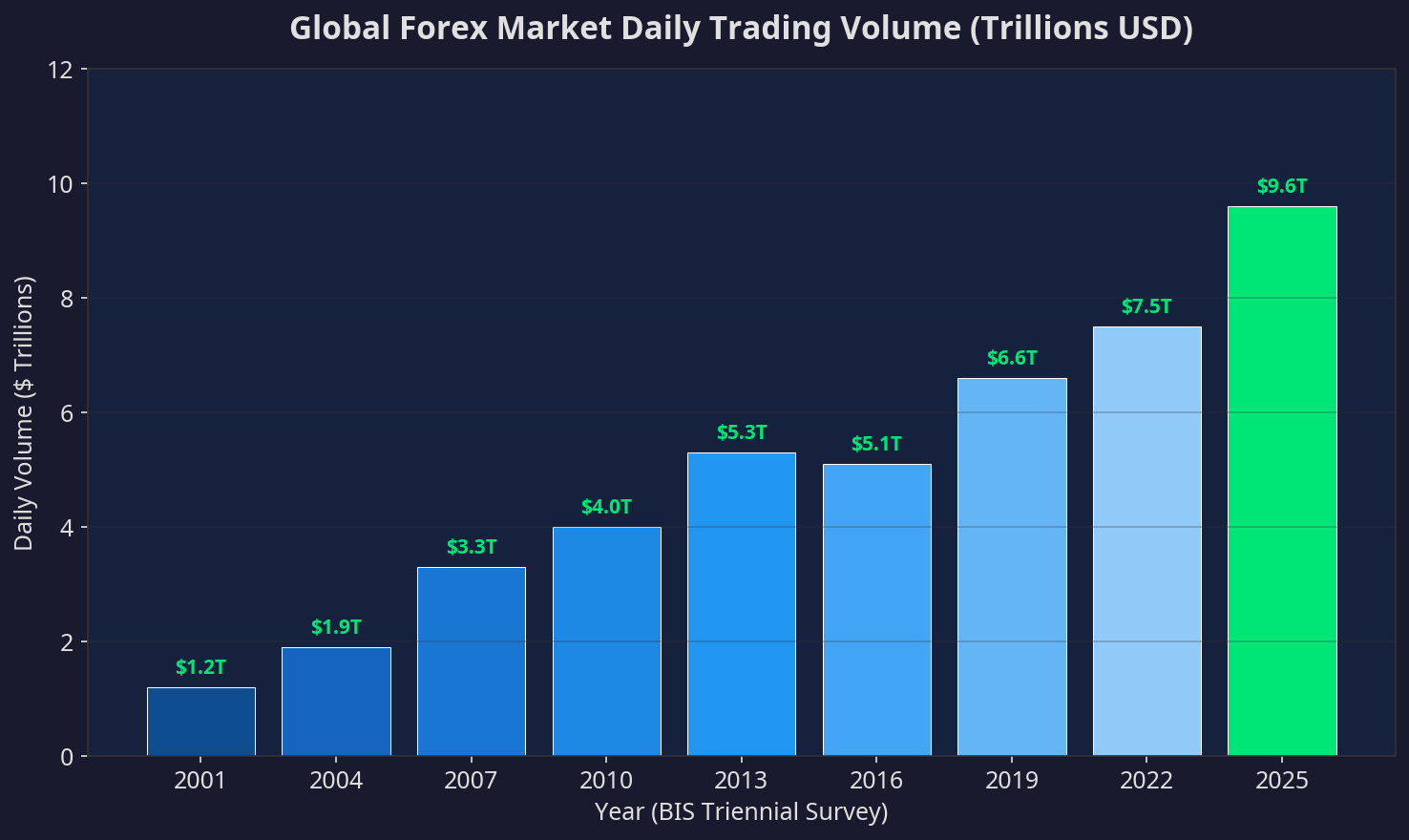
The forex market functions as a decentralized global marketplace where currencies are exchanged between participants. Unlike traditional stock exchanges, it does not operate from a single physical location. Instead, trading occurs electronically through networks of banks, financial institutions, corporations, and individual participants across the world. This structure allows the market to remain open twenty-four hours a day during weekdays, moving through major financial centers as time zones shift.
For beginners, recognizing this global nature helps explain why prices move continuously and why activity increases during certain periods. Currency values fluctuate based on supply and demand, which are influenced by economic indicators, interest rates, political stability, and global trade activity. Understanding these relationships provides context for market behavior and reduces the tendency to view price changes as random or unpredictable.
Why Currencies Are Traded in Pairs
In forex trading, currencies are always traded in pairs rather than individually. Each pair represents the value of one currency relative to another. This structure reflects the reality that one currency is always exchanged for another during international transactions. Beginners often find this concept unfamiliar, yet it is central to understanding how pricing works.
Currency pairs allow traders to evaluate comparative strength rather than absolute value. When one currency strengthens relative to another, its price rises within the pair. This relationship-based pricing system helps beginners understand why economic news in one country can affect multiple currency pairs simultaneously. Learning how currency pairs function supports deeper comprehension of market movement and valuation.
How Price Movement Occurs
Price movement in the forex market results from constant changes in supply and demand. Economic data releases, central bank decisions, geopolitical events, and market sentiment all contribute to shifts in currency valuation. Beginners may initially focus on charts without understanding the underlying reasons behind price changes.
Education emphasizes the importance of observing both technical price behavior and fundamental influences. By understanding how market participants respond to information, beginners gain insight into why trends form and how volatility emerges. This knowledge helps learners view charts as reflections of broader economic activity rather than isolated patterns.
The Role of Market Participants
Various participants contribute to forex market activity, each with different objectives. Banks and financial institutions facilitate large-scale currency exchange for international trade and investment. Corporations exchange currencies to conduct global business operations. Governments and central banks influence currency value through monetary policy decisions. Individual traders participate on a smaller scale, seeking to learn and engage with the market.
Recognizing these roles helps beginners understand that the market is driven by diverse motivations rather than individual actions alone. This awareness reinforces the importance of education and perspective when interpreting price movements.
Learning Through Foundational Knowledge
Forex trading becomes more accessible when beginners focus on foundational forex concepts rather than advanced strategies. Learning basic terminology, understanding how orders function, and recognizing market structure builds confidence over time. Skipping foundational education often leads to misunderstanding and frustration.
Educational platforms emphasize gradual learning to support comprehension and retention. When beginners understand how the market operates, they are better prepared to analyze information and make thoughtful decisions. This approach prioritizes understanding over action and supports long-term learning development.
Risk Awareness and Market Responsibility
Risk is an inherent aspect of forex trading, and understanding it is essential for beginners. Market volatility, leverage, and emotional decision-making can amplify outcomes, both positive and negative. Without proper awareness, beginners may underestimate the impact of risk on learning and participation.
Responsible education highlights the importance of capital preservation, realistic expectations, and emotional discipline. By integrating risk awareness early, beginners develop healthier learning habits. This perspective encourages patience and reinforces the value of preparation before active participation.
Structured Learning for Beginners
Forex trading knowledge develops most effectively through structured learning. Jumping between unrelated topics often leads to confusion. A clear educational path allows beginners to build understanding step by step, reinforcing earlier lessons before introducing new concepts.
Platforms that provide structured forex education help learners progress logically, reducing overwhelm and supporting consistent improvement. This method encourages reflection, critical thinking, and steady skill development. Structured learning transforms forex trading from an intimidating subject into a manageable educational journey.
As this guide demonstrates, mastering what is forex trading requires dedication and a structured approach. Whether you are just beginning or revisiting the fundamentals, a solid understanding of what is forex trading will serve as the cornerstone of your trading education.
Conclusion
Forex trading for beginners begins with understanding how the global currency market functions and why prices move as they do. Rather than focusing on rapid outcomes, effective learning emphasizes clarity, patience, and foundational knowledge. By exploring market structure, currency relationships, participant roles, and price dynamics, beginners gain valuable context that supports informed learning.
Education that highlights risk awareness and structured progression helps learners develop confidence without unnecessary pressure. When forex trading is approached as a learning process rather than a shortcut, beginners are better equipped to make thoughtful decisions and manage expectations realistically. Platforms that prioritize structured forex education play an important role in guiding learners through this process, offering clarity in a complex market environment. With the right foundation, beginners can continue learning with confidence, awareness, and respect for the dynamics of the global currency market.
Understanding what is forex trading is essential for anyone starting their journey in the forex market. As you continue to learn about what is forex trading, remember that consistent education and practice are the keys to developing confidence and competence in this field.

0 %

0 %

0 %

0 %

0 %

0 %
For more information, visit the Bank for International Settlements (BIS) for official forex market data, or explore educational resources at Investopedia Forex.
0 %
0 %
0 %
0 %
0 %
0 %
Video Tutorials
Watch these helpful video tutorials to deepen your understanding of the concepts covered in this article:
